Tag: social media marketing

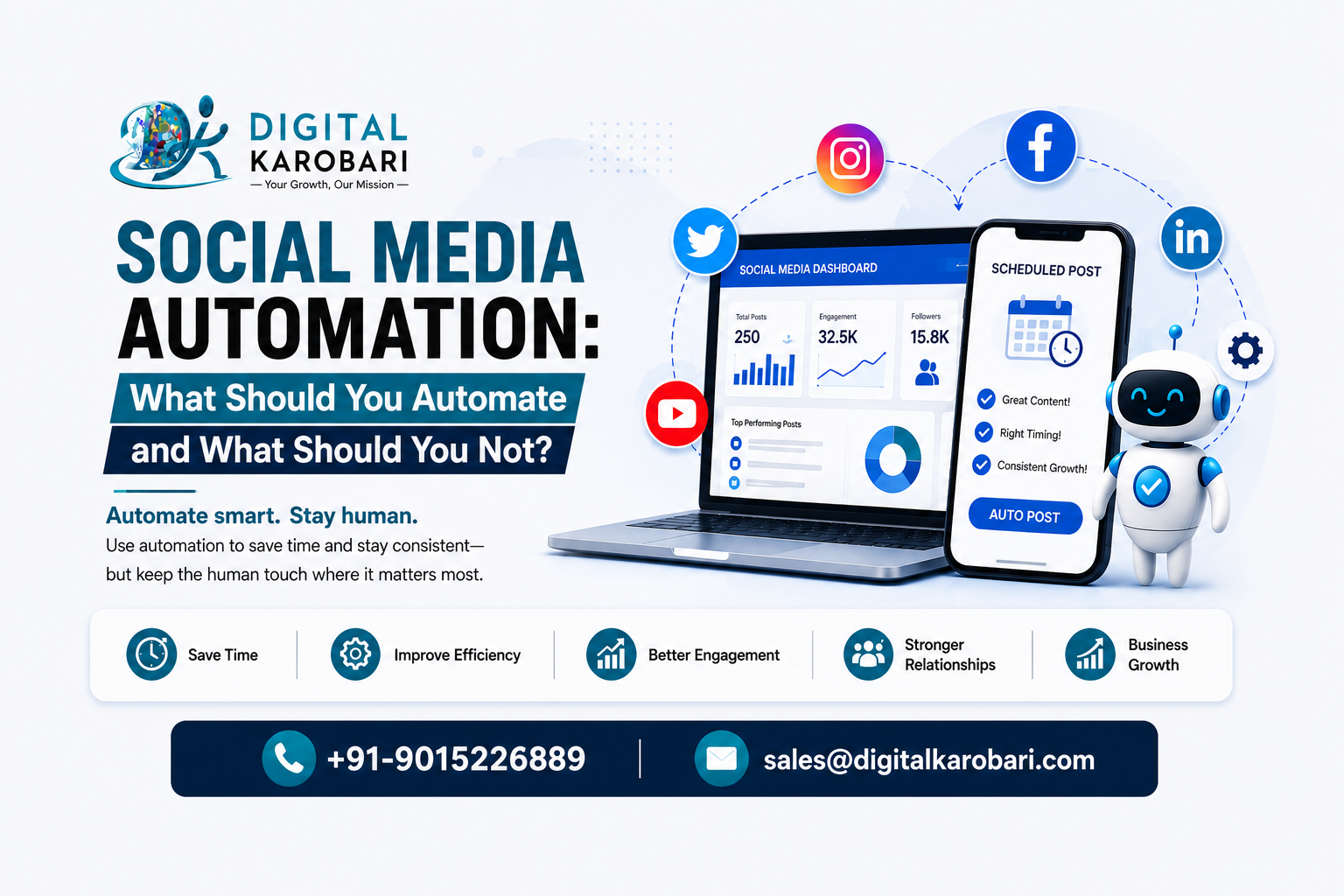
  • Social Media Automation: What Should You Automate and What Should You Not?

    Social Media Automation: What Should You Automate and What Should You Not?

    Social media has become an essential part of digital marketing, but managing multiple platforms consistently can be time-consuming. Businesses need to create content, schedule posts, respond to comments, monitor performance, engage with followers, and keep up with trends. This is where social media automation can make marketing more efficient.
    However, automation does not mean that every part of social media marketing should be handled by software. While automation can save time and improve consistency, excessive automation can make a brand feel impersonal and disconnected from its audience.
    The key is to understand what should be automated and what should remain human-driven.

    What Is Social Media Automation?

    Social media automation is the use of tools and software to perform repetitive social media marketing tasks automatically. These tools can help businesses schedule posts, publish content across platforms, generate reports, monitor mentions, and organize their social media workflow.
    For example, instead of manually publishing an Instagram, Facebook, or LinkedIn post every day, a business can prepare content in advance and schedule it to be published at selected times.
    Automation is particularly useful for businesses managing several social media channels because it reduces repetitive work and allows marketers to spend more time on strategy and creative activities.

    Why Should Businesses Use Social Media Automation?

    The biggest advantage of automation is time efficiency. Marketers can prepare several posts in advance rather than logging into different platforms every day.
    Automation can also improve consistency. Regular posting helps businesses maintain their online presence, and scheduling tools make it easier to follow a content calendar.
    Another benefit is better organization. Businesses can plan campaigns, schedule promotional content, coordinate posts across different platforms, and monitor performance from a centralized workflow.
    However, automation should be used as a supporting tool rather than a replacement for marketing strategy and genuine audience interaction.

    What Should You Automate?

    Schedule Regular Posts
    Post scheduling is one of the safest and most useful forms of social media automation. Businesses can prepare content ahead of time and schedule posts for specific dates and times.
    This is especially useful for evergreen content, educational posts, product updates, company announcements, and promotional campaigns.
    Scheduling also allows marketers to maintain a consistent publishing frequency without having to manually post every day.

    Content Calendar Management
    A social media content calendar can be partially automated using scheduling and workflow tools. Content can be organized according to campaigns, platforms, topics, and publishing dates.
    This helps marketing teams avoid last-minute posting and maintain a balanced content mix.

    Performance Reports
    Generating basic social media reports is another task that can be automated. Tools can collect information such as reach, impressions, engagement, clicks, follower growth, and other performance indicators.
    Automated reports save marketers from manually collecting data from every platform.
    However, automating reporting does not mean automating analysis. A person should still interpret the data and determine what is working and what needs improvement.

    Social Media Monitoring
    Businesses can automate monitoring for specific brand names, product names, keywords, or mentions. This helps marketers identify conversations related to their business.
    Monitoring automation can act as an early-warning system, allowing the marketing team to identify opportunities or potential problems quickly.

    Repetitive Internal Workflows
    Some behind-the-scenes marketing tasks can also be automated. For example, a team can create workflows for content approvals, assigning posts to team members, reminding employees about upcoming campaigns, or organizing published content.
    These processes can reduce administrative work and improve team productivity.

    What Should You NOT Automate?

    Genuine Customer Conversations
    Comments, questions, complaints, and direct messages often require context and empathy. Automatically responding to every interaction can make a business appear robotic.
    Customers want to feel that they are communicating with a real person. Businesses should therefore use automation to identify or organize conversations but keep important interactions human.

    Crisis Management
    Negative reviews, complaints, controversial posts, or public criticism should never be handled entirely through automated responses.
    A poorly timed automated post can make a difficult situation much worse. During a crisis, businesses should pause scheduled promotional content when appropriate and allow a responsible team member to assess the situation.

    Trend-Based Content
    Trending topics can change quickly. Automatically publishing content based on a predefined schedule without considering current events can create embarrassing or insensitive situations.
    Trend-based content requires human judgment because marketers need to understand the context before connecting a trend with their brand.

    Every Comment and Reply
    Automation can help identify comments that require attention, but businesses should avoid sending the same generic response to every person.
    A personalized reply can strengthen relationships and encourage further engagement. Simple interactions may sometimes be automated, but meaningful conversations should remain human.

    Brand Strategy and Creative Direction
    Automation tools can assist with content production and scheduling, but they should not determine the entire brand voice or marketing strategy.
    Human marketers should decide what the brand stands for, who it wants to reach, what type of content it should publish, and how it should communicate with its audience.

    Finding the Right Balance Between Automation and Human Interaction

    The best social media strategy combines automation with human creativity.
    Think of automation as a tool for handling repetitive work, while people remain responsible for strategy, creativity, relationships, and decision-making.
    For example, a business can automate post scheduling and reporting while keeping customer conversations, creative campaigns, crisis communication, and trend analysis under human control.
    This approach allows businesses to save time without sacrificing authenticity.

    Common Social Media Automation Mistakes

    One of the biggest mistakes is automating too much. Publishing the same content across every platform without adapting the message can make the brand feel generic.
    Another mistake is ignoring audience responses because scheduled content is already prepared. Social media is designed for interaction, so businesses need to actively monitor their communities.
    Using automation without reviewing analytics is another problem. Automation can make publishing easier, but marketers still need to evaluate engagement, conversions, audience behavior, and campaign performance.
    Businesses should also regularly review scheduled content. If circumstances change, previously scheduled posts may become irrelevant or inappropriate.

    How Digital Karobari Can Help

    Social media automation works best when it is integrated into a broader social media marketing strategy. Digital Karobari can help businesses plan content, develop social media strategies, manage campaigns, improve engagement, and use digital marketing tools more effectively.
    The objective should not simply be to publish more content. It should be to create a consistent, relevant, and engaging social media presence that supports business growth.

    Conclusion

    Social media automation can significantly reduce repetitive marketing work, improve consistency, and help businesses manage multiple platforms more efficiently. Scheduling posts, organizing content calendars, generating reports, monitoring mentions, and managing internal workflows are all suitable areas for automation.
    At the same time, businesses should avoid automating activities that require empathy, creativity, context, and human judgment. Customer conversations, crisis communication, trend-based content, and brand strategy should remain human-driven.
    The most effective approach is simple: automate repetitive tasks, but keep relationships and decisions human.

    Want to Make Social Media Marketing More Efficient?

    Let Digital Karobari help you build a smarter social media strategy that combines automation, creative content, audience engagement, and performance tracking. Get in touch with our team to create a social media approach designed around your business goals.
    Company Name: Digital Karobari
    🌐: https://digitalkarobari.
    📞: +91-9015226889

    FAQs

    1. What is social media automation?
      Social media automation involves using software and tools to schedule, publish, monitor, and manage repetitive social media marketing activities.
    2. What social media tasks should businesses automate?
      Businesses can automate post scheduling, content calendar workflows, basic reporting, social media monitoring, and repetitive internal marketing tasks.
    3. What should not be automated on social media?
      Customer conversations, crisis communication, creative strategy, sensitive responses, and trend-based content should generally be handled by humans.
    4. Is social media automation good for small businesses?
      Yes. Automation can help small businesses save time, maintain consistent posting, and manage multiple social media channels with fewer resources.
    5. Can social media automation reduce engagement?
      Over-automation can reduce engagement if audiences receive generic responses or irrelevant content. Automation should support human interaction rather than replace it.
    6. Should businesses automatically reply to comments?
      Not every comment should receive an automated response. Meaningful questions, complaints, and conversations should receive personalized human responses.
    7. Is social media automation the same as social media marketing?
      No. Automation is a tool within social media marketing. A complete social media strategy also includes content creation, audience research, engagement, branding, analytics, and campaign planning.
    8. How can a business use automation without losing authenticity?
      Automate repetitive publishing and administrative tasks while keeping creative decisions, customer conversations, community engagement, and sensitive communications human.
  • Omnichannel Marketing Strategy Explained: A Complete Guide for Business Growth | Digital Karobari

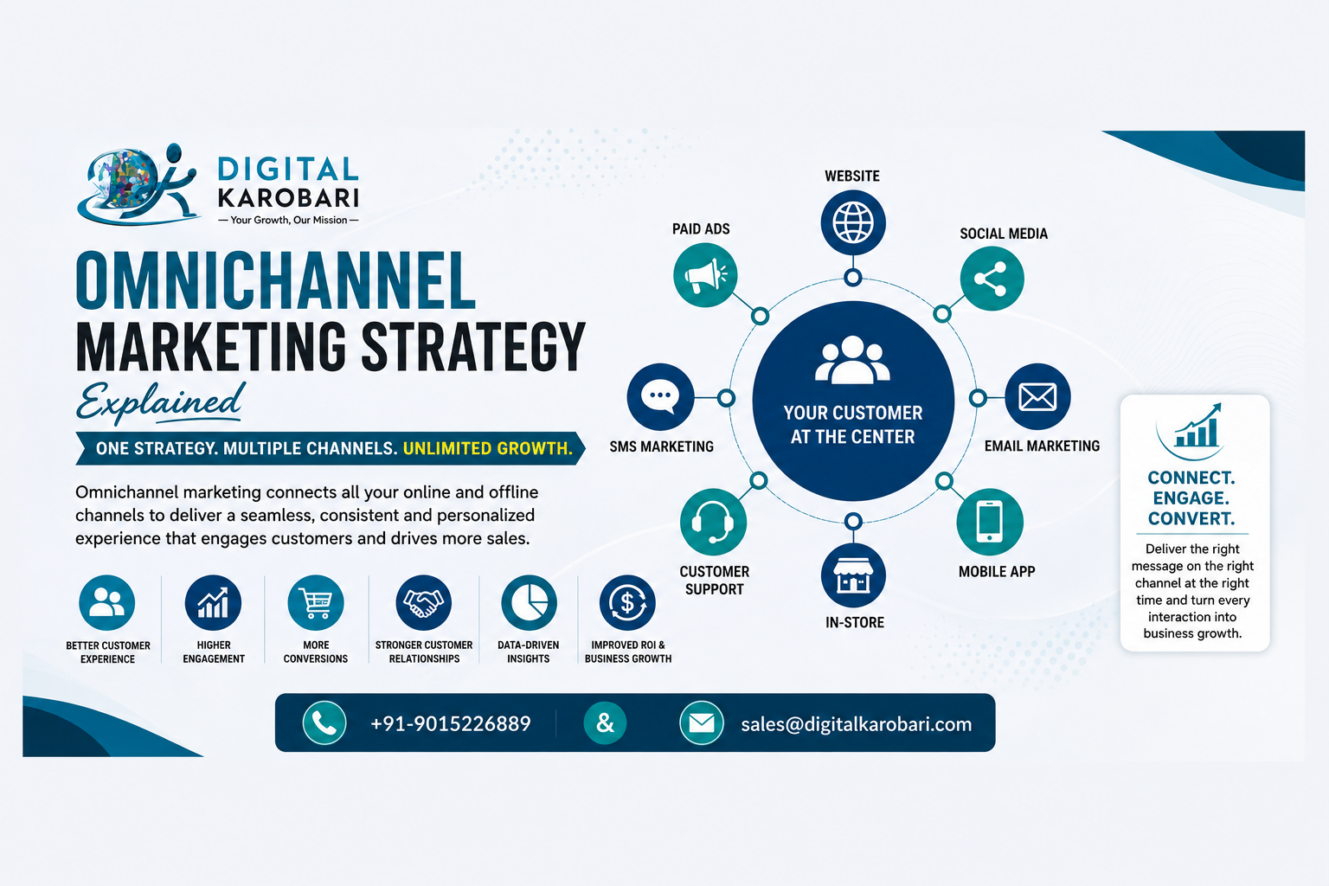
    Omnichannel Marketing Strategy Explained: A Complete Guide for Business Growth | Digital Karobari

    Introduction

    Today’s customers interact with businesses through multiple channels before making a purchase. They may discover a brand on social media, visit its website, read online reviews, receive promotional emails, and finally make a purchase through an online store or physical location. This changing customer journey has made Omnichannel Marketing one of the most effective strategies for businesses looking to improve customer experience and increase sales.
    Unlike traditional marketing, where each platform operates independently, omnichannel marketing creates a seamless and consistent experience across every customer touchpoint. Whether customers engage with your business on mobile, desktop, social media, email, or in-store, they receive the same brand message and personalized experience.
    At Digital Karobari, we help businesses implement effective omnichannel marketing strategies that improve customer engagement, strengthen brand loyalty, and drive measurable business growth.

    What is Omnichannel Marketing?

    Omnichannel marketing is a customer-centric marketing strategy that integrates multiple online and offline channels to deliver a consistent and personalized brand experience. Instead of treating each platform separately, all channels work together to create a unified customer journey.
    These channels may include:
    Business Website
    Social Media Platforms
    Email Marketing
    Google Search
    Google Ads
    Mobile Applications
    SMS Marketing
    WhatsApp Marketing
    Online Marketplaces
    Physical Stores
    Customer Support
    The primary goal is to ensure customers enjoy a smooth experience regardless of where or how they interact with your business.

    Why Omnichannel Marketing Matters

    Modern consumers expect businesses to recognize them across different platforms and provide a consistent experience. A customer may browse products on a smartphone, continue researching on a laptop, and complete the purchase later through an app or website. If the experience is disconnected, businesses risk losing potential customers.
    An effective omnichannel strategy improves customer satisfaction, strengthens trust, increases engagement, and creates more opportunities for conversions. It also allows businesses to better understand customer behavior by collecting data from multiple touchpoints.

    Benefits of Omnichannel Marketing

    Better Customer Experience
    Customers enjoy a seamless journey across multiple channels without interruptions. Consistent messaging and branding build trust and encourage long-term relationships.

    Increased Customer Engagement
    Businesses can interact with customers through their preferred communication channels, improving response rates and engagement.

    Higher Conversion Rates
    Providing relevant content and personalized recommendations across channels helps guide customers toward purchasing decisions, resulting in increased sales.

    Improved Customer Retention
    Consistent follow-ups, personalized offers, loyalty programs, and targeted communication encourage repeat purchases and strengthen customer loyalty.

    Better Data Insights
    Combining customer data from websites, social media, email campaigns, CRM systems, and mobile apps helps businesses better understand customer preferences and optimize future marketing campaigns.

    Key Components of an Omnichannel Marketing Strategy

    Understand Your Customer Journey
    Analyze how customers discover, research, compare, and purchase your products or services. Mapping the customer journey helps identify opportunities to improve the overall experience.

    Maintain Consistent Branding
    Your logo, messaging, visuals, tone of voice, and offers should remain consistent across all digital and offline channels to build brand recognition and trust.

    Personalize Customer Communication
    Use customer data to deliver personalized recommendations, product suggestions, email campaigns, and promotional offers based on user behavior and interests.

    Integrate Marketing Channels
    Connect your website, CRM, email marketing platform, social media accounts, Google Ads, WhatsApp, and analytics tools to ensure all channels work together efficiently.

    Use Marketing Automation
    Automated workflows can send welcome emails, abandoned cart reminders, product recommendations, appointment confirmations, and follow-up messages, improving customer engagement while saving time.

    Monitor Performance
    Track key metrics such as website traffic, conversion rate, customer lifetime value, engagement rate, email performance, social media interactions, and return on investment (ROI). Continuous optimization ensures better campaign performance.

    Best Practices for Omnichannel Marketing

    Businesses should focus on delivering value rather than simply promoting products. Ensure that every communication is relevant, timely, and personalized. Optimize websites for mobile devices, maintain active social media profiles, respond quickly to customer inquiries, and use analytics to improve decision-making. Regularly test campaigns, refine messaging, and update strategies based on customer feedback and performance data.

    Common Omnichannel Marketing Mistakes

    Many businesses fail to integrate their marketing channels, resulting in inconsistent messaging and disconnected customer experiences. Other common mistakes include ignoring customer data, sending generic emails, neglecting mobile optimization, failing to personalize content, and not measuring campaign performance. Without proper planning and coordination, businesses may miss valuable opportunities to engage customers effectively.

    Tools for Omnichannel Marketing

    Several tools help businesses manage omnichannel marketing efficiently. Popular platforms include HubSpot, Salesforce, Google Analytics 4, Meta Business Suite, Mailchimp, Klaviyo, Zoho CRM, WhatsApp Business API, Google Ads, and Canva for content creation. These tools enable businesses to automate campaigns, track customer interactions, and optimize marketing performance.

    Why Choose Digital Karobari for Omnichannel Marketing?

    At Digital Karobari, we create customized omnichannel marketing strategies that help businesses connect with customers across every digital touchpoint. Our experienced team combines SEO, Google Ads, Social Media Marketing, Email Marketing, WhatsApp Marketing, Content Marketing, and Analytics to deliver a seamless customer experience that drives engagement and sales. By using data-driven insights and the latest digital marketing tools, we help businesses improve brand visibility, generate qualified leads, and achieve long-term growth.

    Conclusion

    Omnichannel marketing is no longer optional for businesses that want to stay competitive in today’s digital landscape. Customers expect consistent experiences across websites, social media, email, mobile apps, and other platforms. Businesses that successfully integrate these channels can improve customer satisfaction, strengthen brand loyalty, and increase conversions. By implementing a well-planned omnichannel strategy and partnering with experts like Digital Karobari, businesses can create meaningful customer experiences that lead to sustainable growth and long-term success.

    Build a Seamless Customer Experience with Digital Karobari

    Want to engage customers across every digital touchpoint and increase your sales? Digital Karobari offers expert omnichannel marketing solutions that integrate SEO, Google Ads, Social Media Marketing, Email Marketing, WhatsApp Marketing, and Content Marketing into one powerful strategy. Our data-driven approach helps businesses deliver personalized customer experiences, generate quality leads, and maximize marketing ROI.
    Contact Digital Karobari today and create an omnichannel marketing strategy that drives measurable business growth.
    Company Name: Digital Karobari
    🌐: https://digitalkarobari.
    📞: +91-9015226889

    Frequently Asked Questions (FAQs)

    1. What is omnichannel marketing?
      Omnichannel marketing is a strategy that integrates multiple online and offline channels to provide customers with a seamless and consistent brand experience.
    2. How is omnichannel marketing different from multichannel marketing?
      Multichannel marketing uses multiple platforms independently, while omnichannel marketing connects all channels to create one unified customer journey.
    3. Why is omnichannel marketing important?
      It improves customer experience, increases engagement, boosts conversions, strengthens brand loyalty, and helps businesses deliver personalized interactions across all touchpoints.
    4. Which channels are included in an omnichannel marketing strategy?
      Common channels include websites, social media, email marketing, Google Ads, WhatsApp, SMS, mobile apps, CRM systems, online marketplaces, and physical stores.
    5. What tools are commonly used for omnichannel marketing?
      Businesses often use Google Analytics 4, HubSpot, Salesforce, Zoho CRM, Mailchimp, Meta Business Suite, WhatsApp Business API, Google Ads, and marketing automation platforms.
    6. How can Digital Karobari help with omnichannel marketing?
      Digital Karobari develops customized omnichannel marketing strategies by integrating SEO, Google Ads, Social Media Marketing, Email Marketing, Content Marketing, and Analytics to improve customer engagement and business growth.
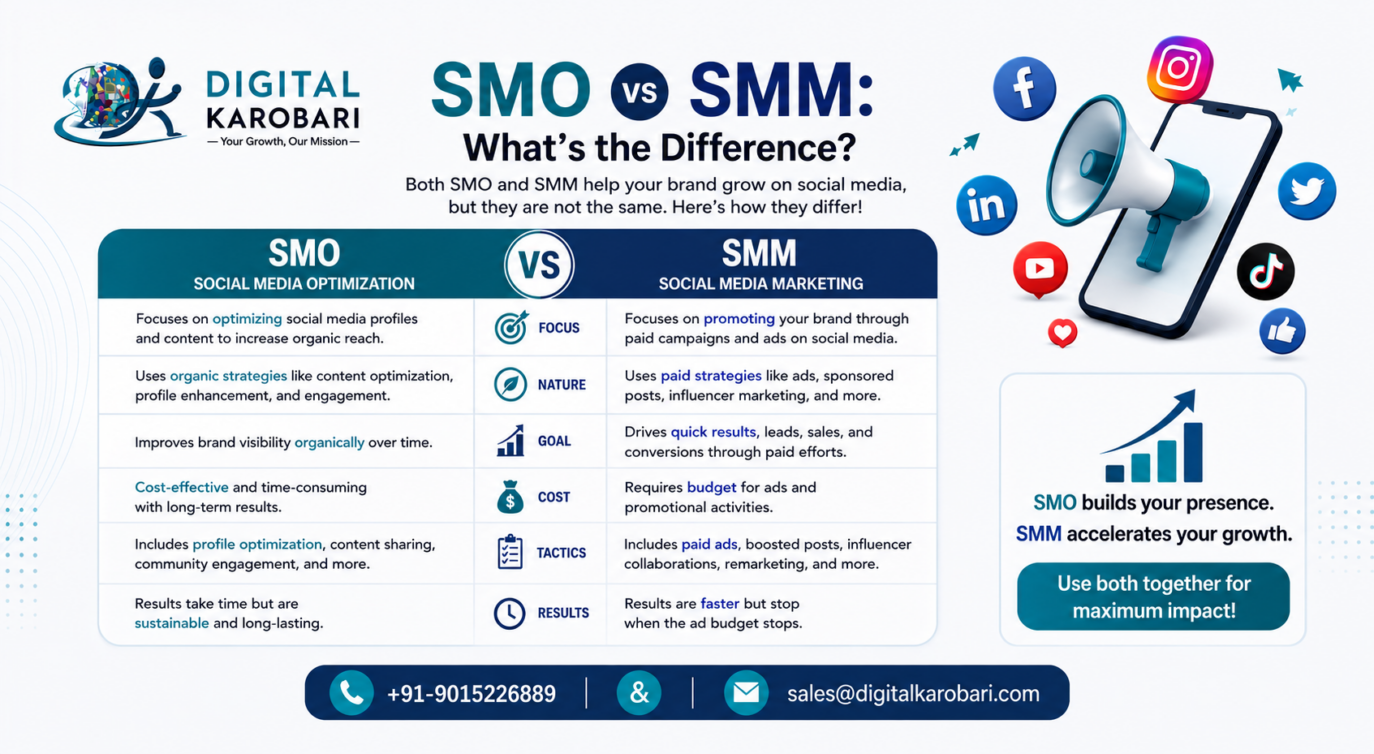
  • SMO vs Social Media Marketing (SMM): What’s the Difference?

    SMO vs Social Media Marketing (SMM): What’s the Difference?

    In today’s digital world, social media has become one of the most effective ways for businesses to connect with customers, build brand awareness, and generate leads. However, many people confuse Social Media Optimization (SMO) with Social Media Marketing (SMM). While both are essential parts of a successful digital marketing strategy, they serve different purposes.
    Understanding the difference between SMO and SMM helps businesses invest in the right strategy and maximize their return on investment.

    What is Social Media Optimization (SMO)?

    Social Media Optimization (SMO) is the process of optimizing your social media profiles and content to increase organic visibility, engagement, and follower growth. The primary goal of SMO is to make your social media presence attractive, informative, and easy for users to interact with.
    SMO focuses on creating optimized profiles, posting valuable content consistently, using relevant hashtags, maintaining brand consistency, and encouraging audience engagement without relying heavily on paid advertising.
    Key Features of SMO
    Optimizing social media profiles
    Creating engaging organic content
    Consistent branding
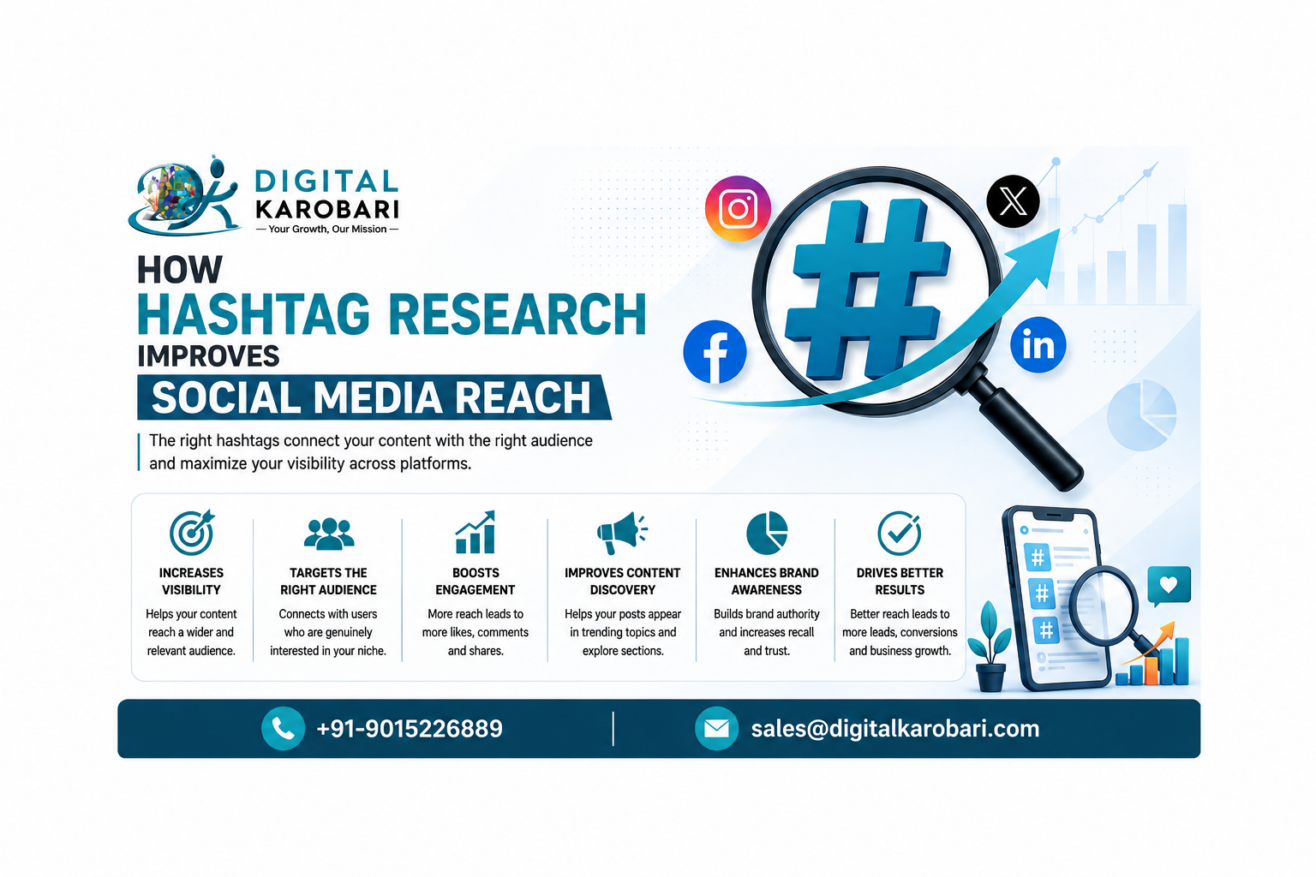
    Strategic hashtag usage
    Improving audience engagement
    Increasing organic followers
    Driving free traffic to your website

    What is Social Media Marketing (SMM)?

    Social Media Marketing (SMM) involves promoting products or services through both organic and paid social media campaigns. Unlike SMO, SMM focuses on achieving specific business objectives such as lead generation, sales, website traffic, or app downloads.
    SMM includes paid advertisements, audience targeting, campaign management, remarketing, influencer collaborations, and performance tracking across platforms like Facebook, Instagram, LinkedIn, X (Twitter), and YouTube.
    Key Features of SMM
    Paid advertising campaigns
    Audience targeting
    Lead generation
    Brand awareness campaigns
    Conversion optimization
    Performance analytics
    Retargeting campaigns

    SMO vs SMM: Major Differences

    Feature Social Media Optimization (SMO) Social Media Marketing (SMM)
    Purpose Improve organic visibility Generate leads, sales, and conversions
    Cost Mostly organic Organic + Paid
    Focus Profile and content optimization Marketing campaigns
    Results Long-term brand growth Faster business results
    Audience Existing and new followers Highly targeted audiences
    Traffic Source Organic Organic + Paid Ads
    ROI Builds credibility over time Quick measurable ROI

    Why Your Business Needs Both SMO and SMM

    Many businesses think they should choose either SMO or SMM. In reality, the best results come when both strategies work together.
    SMO builds a strong social media foundation by creating an engaging profile, publishing quality content, and growing your community organically. SMM then amplifies your reach by promoting your content to highly targeted audiences through paid campaigns.
    When combined, they help businesses:
    Increase brand awareness
    Improve customer engagement
    Generate quality leads
    Build customer trust
    Increase website traffic
    Improve conversion rates
    Achieve sustainable business growth

    Benefits of Social Media Optimization

    A well-optimized social media profile helps businesses establish credibility and attract followers naturally. Regular posting, optimized visuals, informative captions, and active engagement create a positive brand image that encourages long-term customer relationships.
    Benefits include:
    Better organic reach
    Improved customer trust
    Higher engagement
    Strong brand identity
    Increased website visits
    Better search visibility

    Benefits of Social Media Marketing

    Social Media Marketing enables businesses to reach the right audience quickly. Paid advertising allows brands to target users based on demographics, interests, behaviors, and location, making campaigns highly effective.
    Benefits include:
    Faster lead generation
    Higher sales opportunities
    Better audience targeting
    Measurable campaign performance
    Increased website conversions
    Remarketing opportunities

    Which Strategy Should You Choose?

    If your goal is to build a strong online presence and grow your audience naturally, SMO is the ideal starting point. If you want faster results, increased leads, and higher sales, SMM is the better option.
    For most businesses, combining both SMO and SMM provides the best long-term results. SMO creates trust and engagement, while SMM accelerates growth through targeted promotions.

    Conclusion

    Social Media Optimization and Social Media Marketing are not competitors—they complement each other. SMO strengthens your brand’s organic presence, while SMM helps you achieve measurable business goals through strategic campaigns. Businesses that integrate both approaches enjoy greater visibility, stronger customer relationships, and higher conversions.
    Whether you’re a startup or an established business, investing in both SMO and SMM can significantly improve your digital marketing success.

    Grow Your Business with Digital Karobari

    Ready to maximize your social media presence? Digital Karobari offers expert Social Media Optimization (SMO) and Social Media Marketing (SMM) services to help businesses increase brand awareness, engage the right audience, generate quality leads, and boost sales. Whether you need organic growth or high-performing paid campaigns, our experts create customized strategies that deliver measurable results.
    Contact Digital Karobari today and take your social media marketing to the next level!
    Company Name: Digital Karobari
    🌐: https://digitalkarobari.
    📞: +91-9015226889

    Frequently Asked Questions (FAQs)

    1. What is the main difference between SMO and SMM?
      SMO focuses on improving your social media profiles and organic engagement, while SMM focuses on promoting your business through organic and paid marketing campaigns.
    2. Is SMO free?
      Most SMO activities are organic and require minimal investment, though professional management services may involve a fee.
    3. Does SMM include paid advertising?
      Yes. SMM includes paid campaigns on platforms such as Facebook, Instagram, LinkedIn, YouTube, and X to reach targeted audiences.
    4. Which is better for small businesses?
      Small businesses benefit most from combining SMO and SMM. SMO builds credibility, while SMM generates faster leads and sales.
    5. How long does SMO take to show results?
      SMO generally takes several weeks to months, depending on content quality, consistency, and audience engagement.
    6. Can SMM increase website traffic?
      Yes. Well-planned SMM campaigns can drive highly targeted visitors to your website, increasing conversions and sales.
    7. Why should businesses use both SMO and SMM?
      Using both creates a balanced strategy that builds long-term brand authority while delivering immediate marketing results.
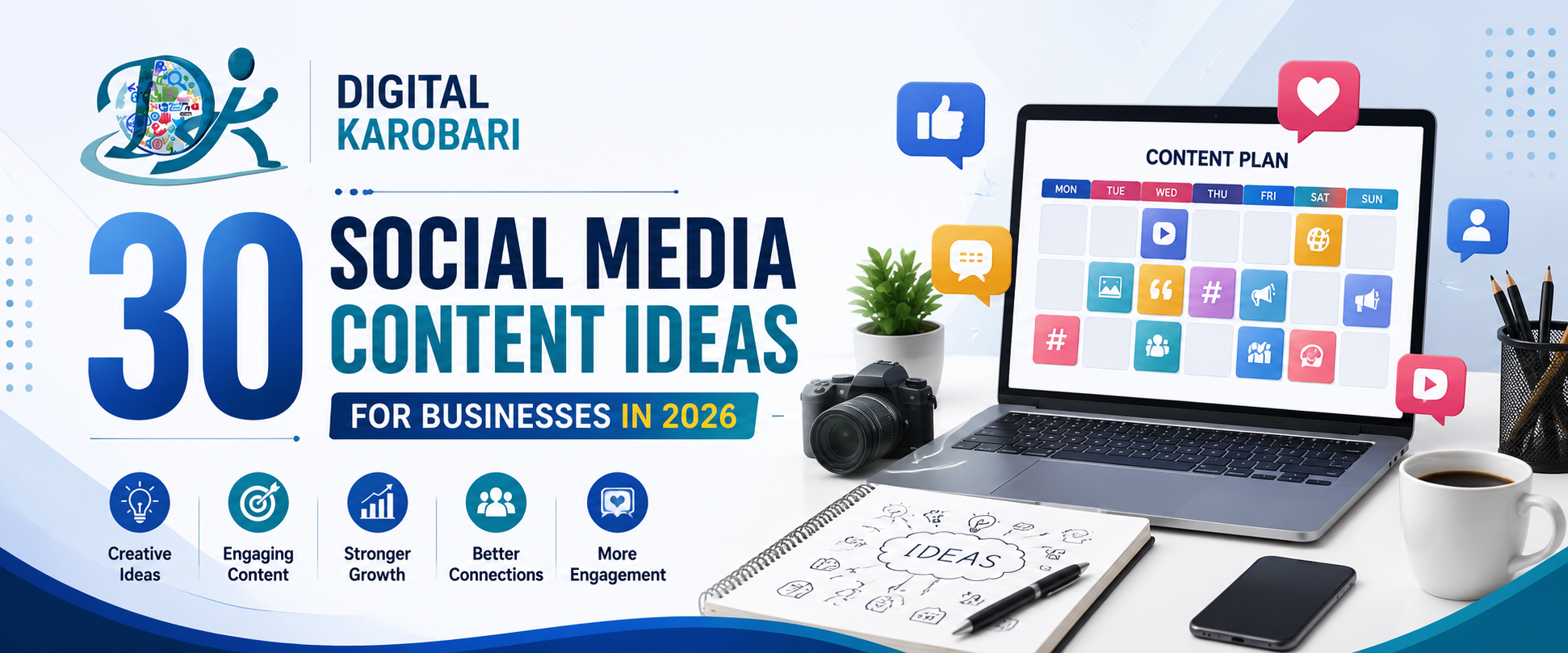
  • 30 Social Media Content Ideas for Businesses in 2026

    30 Social Media Content Ideas for Businesses in 2026

    Introduction

    Social media continues to evolve, making it essential for businesses to stay creative and relevant. With changing algorithms, AI-powered tools, and increasing competition, brands need content that informs, entertains, and builds trust. Whether you’re a startup, local business, or established company, having a well-planned content strategy can significantly improve engagement and lead generation.
    At Digital Karobari, we help businesses create impactful social media strategies that deliver measurable results. Here are 30 social media content ideas to keep your audience engaged in 2026.

    Behind-the-Scenes (BTS) Content

    Customers love to see what happens behind the scenes of a business. Share videos or photos of your workplace, manufacturing process, brainstorming sessions, packaging, or office culture. BTS content humanizes your brand and helps build trust by showing authenticity. It also makes your audience feel connected to your business and the people behind it.

    Customer Testimonials

    Positive customer reviews influence buying decisions more than advertisements. Share written reviews, video testimonials, screenshots of feedback, or customer success stories on your social media platforms. Genuine testimonials build credibility, strengthen your brand reputation, and encourage potential customers to choose your products or services.

    Product or Service Demonstrations

    Show your audience exactly how your products or services solve real-world problems. Create short demo videos, tutorials, or carousel posts explaining features, benefits, and practical uses. Demonstrations help customers understand your offerings better and reduce hesitation before making a purchase.

    Educational Tips

    Educational content positions your business as an industry expert. Share useful tips, how-to guides, industry insights, or practical advice that helps your audience solve common problems. Informative posts encourage users to save, share, and engage with your content, increasing your organic reach.

    Frequently Asked Questions (FAQs)

    Answer the questions your customers ask most often. Create FAQ posts about pricing, services, product usage, delivery, payment methods, or industry-related topics. FAQ content saves customer support time while improving customer confidence and trust.

    Before-and-After Results

    Visual transformation posts attract high engagement because they clearly demonstrate value. Whether it’s website redesigns, fitness transformations, digital marketing results, or home renovations, before-and-after content highlights your expertise and showcases measurable outcomes.

    Employee Spotlights

    Introduce your employees to your audience by sharing their roles, achievements, work experiences, and personal interests. Employee spotlight posts make your business more relatable and show the people who contribute to your company’s success.

    Industry News and Updates

    Keep your followers informed by sharing important industry developments, new regulations, technology updates, or market trends. Adding your expert opinion makes the content even more valuable and positions your business as a reliable information source.

    Infographics

    Infographics simplify complex information into visually engaging graphics. Use them to explain statistics, business processes, marketing strategies, comparisons, or industry facts. Well-designed infographics are highly shareable and increase brand visibility.

    Polls and Surveys

    Ask simple questions that encourage audience participation. Polls help businesses understand customer preferences while boosting engagement. Platforms like Instagram Stories, LinkedIn, and Facebook offer built-in polling features that make interaction easy.

    Interactive Quizzes

    Create quizzes that entertain while educating your audience. For example, “Which Digital Marketing Strategy Fits Your Business?” Interactive content increases time spent on your page and encourages users to share results with friends.

    User-Generated Content (UGC)

    Encourage customers to post photos, videos, or reviews featuring your products or services. Reposting user-generated content strengthens social proof and creates stronger customer relationships because people trust recommendations from real users.

    Instagram Reels & Short Videos

    Short-form videos continue to dominate social media in 2026. Create engaging Reels featuring quick tips, tutorials, office moments, trending audio, product showcases, or customer stories. Short videos typically generate higher reach than static images.

    Live Q&A Sessions

    Host live sessions where you answer customer questions in real time. Live interactions increase transparency, build trust, and allow businesses to connect directly with their audience while addressing concerns instantly.

    Client Success Stories

    Instead of simply saying your service works, demonstrate real results through detailed case studies. Explain the customer’s challenge, your solution, and the final outcome. Success stories help potential customers visualize how your business can solve similar problems.

    Seasonal & Festival Content

    Celebrate holidays, festivals, national events, and special occasions with customized posts. Seasonal content feels timely, increases engagement, and shows your audience that your brand stays connected with current events and celebrations.

    Giveaways and Contests

    Run contests asking users to like, comment, share, or tag friends for a chance to win prizes. Giveaways increase follower growth, improve engagement rates, and create excitement around your brand.

    Company Achievements & Milestones

    Celebrate your business milestones such as anniversaries, awards, certifications, office expansions, or customer achievements. These posts demonstrate growth and build confidence among your audience.

    Case Studies

    Publish detailed case studies explaining how your business solved a customer’s problem. Include measurable results, strategies used, and lessons learned. Case studies are particularly effective for B2B businesses.

    Myth vs. Fact Posts

    Many industries have misconceptions that confuse customers. Create “Myth vs. Fact” posts to educate your audience while positioning yourself as a trusted expert. These posts are informative and highly shareable.

    Step-by-Step How-To Guides

    Teach your audience how to complete specific tasks related to your industry. Examples include “How to Create a Facebook Ad,” “How to Improve Website SEO,” or “How to Register a GST Number.” Educational guides build authority and drive consistent engagement.

    Inspirational & Motivational Quotes

    Share motivational quotes related to entrepreneurship, business growth, leadership, productivity, or success. Pair quotes with attractive designs and thoughtful captions to inspire your audience while reinforcing your brand values.

    Trending Topics

    Participate in relevant social media trends, viral challenges, and industry discussions. Timely content helps increase visibility because platforms often prioritize trending conversations in users’ feeds.

    AI Tips for Businesses

    Artificial Intelligence is transforming marketing in 2026. Share practical AI tips, recommended tools, automation strategies, content creation ideas, and productivity hacks that help businesses work more efficiently.

    Customer Appreciation Posts

    Thank your customers for their continued trust and support. Celebrate customer milestones, anniversaries, or loyalty achievements through appreciation posts that strengthen long-term relationships.

    Event Highlights

    Share photos, videos, and key takeaways from conferences, exhibitions, webinars, seminars, or workshops your company attends. Event content demonstrates active industry participation and keeps followers informed.

    Weekly Business Updates

    Provide regular updates about new services, product launches, upcoming events, business achievements, or important announcements. Weekly updates keep your audience engaged and informed.

    Community Involvement

    Showcase your company’s participation in charity events, environmental campaigns, educational initiatives, or local community programs. Social responsibility strengthens your brand image and builds emotional connections with customers.

    Brand Story

    Tell your audience why your company was founded, what challenges you’ve overcome, your mission, values, and long-term vision. A compelling brand story creates emotional engagement and differentiates your business from competitors.

    Strong Call-to-Action (CTA) Posts

    Every few posts, encourage your audience to take a specific action, such as booking a consultation, downloading a guide, requesting a quote, visiting your website, or contacting your team. Effective CTAs convert engagement into leads and sales. Use clear, action-oriented language while emphasizing the value users will receive by taking the next step.

    Best Practices for Social Media Content in 2026

    Post consistently using a content calendar.
    Focus on high-quality visuals and videos.
    Use AI tools to improve content creation.
    Optimize captions with relevant keywords and hashtags.
    Respond to comments and messages promptly.
    Track analytics to improve future content.
    Experiment with Reels, Stories, and LinkedIn articles.
    Prioritize authentic and value-driven content.

    Why Choose Digital Karobari?

    Digital Karobari helps businesses grow through customized social media marketing strategies. Our services include:
    Social Media Strategy
    Facebook Marketing
    Instagram Marketing
    LinkedIn Marketing
    Content Creation
    Graphic Design
    Video Marketing
    Paid Advertising
    Social Media Management
    Performance Tracking & Analytics
    We create engaging content that increases brand awareness, generates leads, and drives business growth.

    Ready to grow your business through social media?


    Partner with Digital Karobari for expert Facebook, Instagram, and LinkedIn marketing services. From creative content planning to result-driven campaigns, we help your business attract more customers, increase engagement, and generate quality leads.
    Contact Digital Karobari today and take your social media presence to the next level!

    FAQs

    1. Why is social media content important for businesses?
      Quality content helps increase brand awareness, customer engagement, website traffic, and sales.
    2. How often should businesses post on social media?
      Most businesses should post 3–5 times per week, depending on their audience and platform.
    3. Which social media platform is best for business?
      Facebook is great for community building, Instagram excels at visual branding, and LinkedIn is ideal for B2B marketing and professional networking.
    4. What type of content performs best in 2026?
      Short-form videos, educational content, customer testimonials, interactive posts, AI-generated visuals, and behind-the-scenes content are among the top-performing formats.
    5. How can Digital Karobari help my business?
      We provide complete social media marketing solutions, including strategy, content creation, paid campaigns, account management, and performance optimization.
  • Social Media Platforms: How Brands Win Attention, Traffic, and Sales in the Paid Media Era

    Social Media Platforms: How Brands Win Attention, Traffic, and Sales in the Paid Media Era

    Introduction

    Social media platforms have evolved into powerful marketing ecosystems where brands compete for attention, engagement, and conversions. Today, businesses rely heavily on social media marketing and paid social media advertising to connect with their audience and drive measurable results.

    From discovering new products on Instagram to watching product reviews on YouTube, consumers spend several hours each day on social platforms. This makes social media one of the most effective digital marketing channels for businesses.

    At Digital Karobari, we help businesses transform social media platforms into growth engines through data-driven advertising strategies, creative campaigns, and performance marketing optimization.

    This guide explains how social media platforms work in marketing, why paid social media is essential today, and how businesses can use these platforms to generate leads, traffic, and sales.


    Understanding Social Media Platforms in Digital Marketing

    Social media platforms are online environments where users interact with content, communities, and brands. For businesses, these platforms provide advanced marketing tools that allow brands to reach highly targeted audiences.

    Modern social media advertising platforms allow businesses to target audiences based on:

    • Interests and behaviour
    • Demographics
    • Location
    • Job titles
    • Purchase intent
    • Previous website visits

    This level of targeting makes social media marketing far more efficient than traditional advertising methods.

    Businesses working with a social media marketing agency in Mumbai can leverage these platforms to reach the right audience and achieve better marketing ROI.


    Why Social Media Platforms Are Important for Business Growth

    Massive Audience Reach

    Social media platforms host billions of active users worldwide.

    Popular platforms like Facebook, Instagram, LinkedIn, and YouTube attract audiences from every demographic group. This allows businesses to reach potential customers at scale.

    For local businesses in Mumbai, Vasai, Malad West, and across Maharashtra, social media marketing helps build strong online visibility and customer engagement.


    Discovery-Based Marketing

    Unlike search engines where users actively look for solutions, social media enables discovery marketing.

    Users discover products, services, and brands while browsing content.

    This allows businesses to:

    • create demand
    • build brand awareness
    • influence buying decisions early

    Advanced Targeting Capabilities

    One of the biggest advantages of social media advertising is precise audience targeting.

    Businesses can target users based on:

    • interests
    • online behaviour
    • purchase history
    • profession
    • location

    For example, a digital marketing agency in Mumbai can target entrepreneurs, business owners, and startup founders in specific geographic areas.


    Real-Time Performance Tracking

    Social media advertising platforms provide detailed analytics including:

    • impressions
    • clicks
    • engagement
    • leads generated
    • cost per conversion

    This allows marketers to measure campaign success and optimize strategies continuously.


    Key Social Media Platforms for Advertising

    Different social media platforms serve different marketing objectives.

    Understanding the strengths of each platform helps businesses create effective campaigns.


    Facebook Advertising

    Facebook remains one of the most powerful advertising platforms for businesses.

    It offers advanced audience targeting and supports various campaign objectives including:

    • lead generation
    • e-commerce sales
    • website traffic
    • retargeting campaigns

    Facebook advertising works particularly well for:

    • local businesses
    • e-commerce brands
    • service providers

    Instagram Advertising

    Instagram is a visual-first platform ideal for storytelling and brand engagement.

    Brands can use formats such as:

    • reels
    • stories
    • carousel ads
    • influencer collaborations

    This platform works best for:

    • lifestyle brands
    • fashion and beauty products
    • D2C businesses
    • online stores

    LinkedIn Advertising

    LinkedIn is the most effective platform for B2B marketing and professional networking.

    Businesses can target users based on:

    • job titles
    • industries
    • company size
    • professional experience

    LinkedIn ads are highly effective for:

    • SaaS companies
    • B2B service providers
    • recruitment campaigns

    YouTube Advertising

    YouTube combines video content with strong user intent.

    Businesses use YouTube advertising for:

    • product demonstrations
    • brand storytelling
    • tutorials and educational content
    • remarketing campaigns

    Video marketing also improves brand trust and engagement.


    Paid Social vs Organic Social Media

    Organic social media focuses on building a community through regular content posting.

    However, organic reach has declined significantly over time.

    Paid social media advertising provides:

    • faster reach
    • better targeting
    • measurable results
    • scalable campaigns

    Successful brands combine both organic content and paid social media strategies.


    How Paid Social Media Advertising Works

    Effective social media advertising follows a structured marketing funnel.

    Awareness Stage

    Ads introduce the brand to new audiences through engaging content.

    Consideration Stage

    Users interact with educational content, testimonials, and product demonstrations.

    Conversion Stage

    Targeted ads encourage users to take action such as signing up or purchasing.

    Retargeting Stage

    Users who interacted with the brand but didn’t convert are targeted again with reminder ads.

    This funnel-based strategy improves conversions and customer acquisition.


    Common Social Media Marketing Mistakes

    Many businesses fail to get results from social media because they:

    • run ads without a clear strategy
    • target overly broad audiences
    • ignore performance data
    • fail to test ad creatives
    • focus only on vanity metrics

    Successful campaigns require continuous testing, data analysis, and optimization.


    How Digital Karobari Helps Businesses Grow on Social Media

    Digital Karobari helps brands leverage social media platforms through strategic marketing and performance advertising.

    Our offices operate in:

    • Malad West, Mumbai
    • Vasai, Mumbai
    • Maharashtra, India

    Our Social Media Marketing Approach

    Audience Research

    We identify high-intent audiences using data analysis.

    Creative Strategy

    We design high-performing creatives optimized for each platform.

    Campaign Optimization

    Continuous A/B testing and performance improvements.

    Conversion Tracking

    Detailed analytics to track leads, sales, and ROI.


    Conclusion

    Social media platforms have transformed digital marketing. Businesses that understand how to use these platforms strategically can build brand awareness, generate qualified leads, and increase revenue.

    By combining creative storytelling with data-driven advertising strategies, brands can turn social media into powerful growth engines.

    Working with an experienced social media marketing agency in Mumbai like Digital Karobari ensures that campaigns are optimized for performance, targeting, and long-term success.

    FAQ SECTION

    What are social media platforms in digital marketing?

    Social media platforms are online channels where businesses promote products, engage with audiences, and run targeted advertising campaigns.

    Which social media platform is best for advertising?

    Facebook, Instagram, LinkedIn, and YouTube are the most effective platforms depending on your target audience and marketing goals.

    Why is paid social media advertising important?

    Paid social media advertising increases reach, enables precise audience targeting, and delivers measurable marketing results.

    How much does social media marketing cost in India?

    Costs vary depending on ad budgets, platforms, and campaign goals. Businesses often start with small budgets and scale campaigns based on performance.

    What does a social media marketing agency do?

    A social media marketing agency manages strategy, ad campaigns, creative content, targeting, and performance optimization.

    Grow Your Business with Digital Karobari

    If you want to generate leads, increase website traffic, and grow your brand through social media marketing, our experts are here to help.

    Company Name: Digital Karobari

    Website:
    https://www.digitalkarobari.com

    Phone Number:
    +91-7558663792 / +91-9015226889

    Contact us today to build a powerful social media marketing strategy for your business.

    Instagram Advertising

    Instagram focuses heavily on visual storytelling. Reels, Stories, and Feed ads allow brands to engage users in a highly immersive way.

    Best suited for:

    • Lifestyle brands
    • Fashion and beauty
    • D2C e-commerce
    • Influencer-led campaigns

    LinkedIn Advertising

    LinkedIn is the go-to platform for B2B marketing. It allows precise targeting based on job titles, industries, company size, and seniority.

    Best suited for:

    • B2B lead generation
    • SaaS companies
    • Recruitment marketing
    • High-value services

    YouTube Advertising

    YouTube combines video content with intent-based targeting. Ads can appear before, during, or alongside video content.

    Best suited for:

    • Brand storytelling
    • Product education
    • High-consideration purchases

    Twitter (X) Advertising

    Twitter is fast-paced and conversation-driven. Brands use it for topical campaigns, thought leadership, and real-time engagement.

    Best suited for:

    • Tech brands
    • Media and entertainment
    • Event-driven promotions

    Paid Social vs Organic Social: Understanding the Difference

    Organic reach on social media has declined significantly. While organic content helps build credibility and community, paid media is what drives scale and consistent results.

    AspectOrganic SocialPaid Social
    ReachLimitedScalable
    SpeedSlowImmediate
    TargetingBroadHighly precise
    ResultsLong-term brandingMeasurable ROI
    ControlLowHigh

    A successful social strategy combines both — but paid social is essential for growth.

    How Social Media Advertising Works

    Paid social campaigns follow a structured funnel approach.

    Awareness Stage

    Ads introduce your brand to new audiences using videos, reels, and visuals.

    Consideration Stage

    Users engage with educational content, testimonials, and problem-solution messaging.

    Conversion Stage

    Highly targeted ads push users to take action — sign up, enquire, or purchase.

    Retargeting Stage

    Users who interacted but didn’t convert are brought back through reminder ads and offers.

    This funnel-driven approach is where most businesses see consistent performance improvements.

    Common Mistakes Businesses Make on Social Media Platforms

    • Running ads without a clear objective
    • Using the same creatives across all platforms
    • Ignoring audience segmentation
    • Not tracking conversions properly
    • Focusing on vanity metrics instead of ROI

    Social media platforms reward brands that test, analyze, and optimize continuously.

    How Digital Karobari Helps Brands Win on Social Media Platforms

    At Digital Karobari, we don’t treat social media ads as isolated campaigns. We treat them as part of a broader growth strategy.

    Our Paid Social Media Approach

    Audience Research and Funnel Planning
    We identify high-intent audience segments and map them to the right platform and funnel stage.

    Creative Strategy and Ad Design
    Scroll-stopping creatives designed for each platform’s behavior patterns.

    Performance Optimization
    Continuous A/B testing, budget optimization, and audience refinement.

    Conversion Tracking and Analytics
    Clear measurement of leads, sales, and ROI — not just clicks.

    Platform-Specific Expertise
    Each platform is handled differently based on user intent and ad formats.

    When Should Your Business Invest in Social Media Advertising?

    Social media advertising is ideal if:

    • You want faster visibility and growth
    • Organic reach is no longer delivering results
    • You want to scale leads or sales predictably
    • You need better targeting than traditional advertising
    • You want measurable performance and ROI

    If any of these apply, paid social media platforms should be part of your marketing strategy.

    Conclusion: Social Media Platforms Are Growth Engines, Not Just Channels

    Social media platforms have evolved into powerful business tools. When used strategically, they help brands build awareness, drive traffic, and generate consistent revenue.

    The brands that succeed are not those who post the most — but those who understand platforms, audiences, and performance metrics.

    At Digital Karobari, we help businesses turn social media platforms into predictable growth engines through strategic advertising, creative excellence, and continuous optimization.

    If you’re ready to get serious about social media advertising, now is the time to act.

    Connect with Digital Karobari today and build a paid social strategy that delivers real business results.