Category: Social Media Marketing

  • Social Media Platforms: How Brands Win Attention, Traffic, and Sales in the Paid Media Era

    Social Media Platforms: How Brands Win Attention, Traffic, and Sales in the Paid Media Era

    Introduction

    Social media platforms have evolved into powerful marketing ecosystems where brands compete for attention, engagement, and conversions. Today, businesses rely heavily on social media marketing and paid social media advertising to connect with their audience and drive measurable results.

    From discovering new products on Instagram to watching product reviews on YouTube, consumers spend several hours each day on social platforms. This makes social media one of the most effective digital marketing channels for businesses.

    At Digital Karobari, we help businesses transform social media platforms into growth engines through data-driven advertising strategies, creative campaigns, and performance marketing optimization.

    This guide explains how social media platforms work in marketing, why paid social media is essential today, and how businesses can use these platforms to generate leads, traffic, and sales.


    Understanding Social Media Platforms in Digital Marketing

    Social media platforms are online environments where users interact with content, communities, and brands. For businesses, these platforms provide advanced marketing tools that allow brands to reach highly targeted audiences.

    Modern social media advertising platforms allow businesses to target audiences based on:

    • Interests and behaviour
    • Demographics
    • Location
    • Job titles
    • Purchase intent
    • Previous website visits

    This level of targeting makes social media marketing far more efficient than traditional advertising methods.

    Businesses working with a social media marketing agency in Mumbai can leverage these platforms to reach the right audience and achieve better marketing ROI.


    Why Social Media Platforms Are Important for Business Growth

    Massive Audience Reach

    Social media platforms host billions of active users worldwide.

    Popular platforms like Facebook, Instagram, LinkedIn, and YouTube attract audiences from every demographic group. This allows businesses to reach potential customers at scale.

    For local businesses in Mumbai, Vasai, Malad West, and across Maharashtra, social media marketing helps build strong online visibility and customer engagement.


    Discovery-Based Marketing

    Unlike search engines where users actively look for solutions, social media enables discovery marketing.

    Users discover products, services, and brands while browsing content.

    This allows businesses to:

    • create demand
    • build brand awareness
    • influence buying decisions early

    Advanced Targeting Capabilities

    One of the biggest advantages of social media advertising is precise audience targeting.

    Businesses can target users based on:

    • interests
    • online behaviour
    • purchase history
    • profession
    • location

    For example, a digital marketing agency in Mumbai can target entrepreneurs, business owners, and startup founders in specific geographic areas.


    Real-Time Performance Tracking

    Social media advertising platforms provide detailed analytics including:

    • impressions
    • clicks
    • engagement
    • leads generated
    • cost per conversion

    This allows marketers to measure campaign success and optimize strategies continuously.


    Key Social Media Platforms for Advertising

    Different social media platforms serve different marketing objectives.

    Understanding the strengths of each platform helps businesses create effective campaigns.


    Facebook Advertising

    Facebook remains one of the most powerful advertising platforms for businesses.

    It offers advanced audience targeting and supports various campaign objectives including:

    • lead generation
    • e-commerce sales
    • website traffic
    • retargeting campaigns

    Facebook advertising works particularly well for:

    • local businesses
    • e-commerce brands
    • service providers

    Instagram Advertising

    Instagram is a visual-first platform ideal for storytelling and brand engagement.

    Brands can use formats such as:

    • reels
    • stories
    • carousel ads
    • influencer collaborations

    This platform works best for:

    • lifestyle brands
    • fashion and beauty products
    • D2C businesses
    • online stores

    LinkedIn Advertising

    LinkedIn is the most effective platform for B2B marketing and professional networking.

    Businesses can target users based on:

    • job titles
    • industries
    • company size
    • professional experience

    LinkedIn ads are highly effective for:

    • SaaS companies
    • B2B service providers
    • recruitment campaigns

    YouTube Advertising

    YouTube combines video content with strong user intent.

    Businesses use YouTube advertising for:

    • product demonstrations
    • brand storytelling
    • tutorials and educational content
    • remarketing campaigns

    Video marketing also improves brand trust and engagement.


    Paid Social vs Organic Social Media

    Organic social media focuses on building a community through regular content posting.

    However, organic reach has declined significantly over time.

    Paid social media advertising provides:

    • faster reach
    • better targeting
    • measurable results
    • scalable campaigns

    Successful brands combine both organic content and paid social media strategies.


    How Paid Social Media Advertising Works

    Effective social media advertising follows a structured marketing funnel.

    Awareness Stage

    Ads introduce the brand to new audiences through engaging content.

    Consideration Stage

    Users interact with educational content, testimonials, and product demonstrations.

    Conversion Stage

    Targeted ads encourage users to take action such as signing up or purchasing.

    Retargeting Stage

    Users who interacted with the brand but didn’t convert are targeted again with reminder ads.

    This funnel-based strategy improves conversions and customer acquisition.


    Common Social Media Marketing Mistakes

    Many businesses fail to get results from social media because they:

    • run ads without a clear strategy
    • target overly broad audiences
    • ignore performance data
    • fail to test ad creatives
    • focus only on vanity metrics

    Successful campaigns require continuous testing, data analysis, and optimization.


    How Digital Karobari Helps Businesses Grow on Social Media

    Digital Karobari helps brands leverage social media platforms through strategic marketing and performance advertising.

    Our offices operate in:

    • Malad West, Mumbai
    • Vasai, Mumbai
    • Maharashtra, India

    Our Social Media Marketing Approach

    Audience Research

    We identify high-intent audiences using data analysis.

    Creative Strategy

    We design high-performing creatives optimized for each platform.

    Campaign Optimization

    Continuous A/B testing and performance improvements.

    Conversion Tracking

    Detailed analytics to track leads, sales, and ROI.


    Conclusion

    Social media platforms have transformed digital marketing. Businesses that understand how to use these platforms strategically can build brand awareness, generate qualified leads, and increase revenue.

    By combining creative storytelling with data-driven advertising strategies, brands can turn social media into powerful growth engines.

    Working with an experienced social media marketing agency in Mumbai like Digital Karobari ensures that campaigns are optimized for performance, targeting, and long-term success.

    FAQ SECTION

    What are social media platforms in digital marketing?

    Social media platforms are online channels where businesses promote products, engage with audiences, and run targeted advertising campaigns.

    Which social media platform is best for advertising?

    Facebook, Instagram, LinkedIn, and YouTube are the most effective platforms depending on your target audience and marketing goals.

    Why is paid social media advertising important?

    Paid social media advertising increases reach, enables precise audience targeting, and delivers measurable marketing results.

    How much does social media marketing cost in India?

    Costs vary depending on ad budgets, platforms, and campaign goals. Businesses often start with small budgets and scale campaigns based on performance.

    What does a social media marketing agency do?

    A social media marketing agency manages strategy, ad campaigns, creative content, targeting, and performance optimization.

    Grow Your Business with Digital Karobari

    If you want to generate leads, increase website traffic, and grow your brand through social media marketing, our experts are here to help.

    Company Name: Digital Karobari

    Website:
    https://www.digitalkarobari.com

    Phone Number:
    +91-7558663792 / +91-9015226889

    Contact us today to build a powerful social media marketing strategy for your business.

    Instagram Advertising

    Instagram focuses heavily on visual storytelling. Reels, Stories, and Feed ads allow brands to engage users in a highly immersive way.

    Best suited for:

    • Lifestyle brands
    • Fashion and beauty
    • D2C e-commerce
    • Influencer-led campaigns

    LinkedIn Advertising

    LinkedIn is the go-to platform for B2B marketing. It allows precise targeting based on job titles, industries, company size, and seniority.

    Best suited for:

    • B2B lead generation
    • SaaS companies
    • Recruitment marketing
    • High-value services

    YouTube Advertising

    YouTube combines video content with intent-based targeting. Ads can appear before, during, or alongside video content.

    Best suited for:

    • Brand storytelling
    • Product education
    • High-consideration purchases

    Twitter (X) Advertising

    Twitter is fast-paced and conversation-driven. Brands use it for topical campaigns, thought leadership, and real-time engagement.

    Best suited for:

    • Tech brands
    • Media and entertainment
    • Event-driven promotions

    Paid Social vs Organic Social: Understanding the Difference

    Organic reach on social media has declined significantly. While organic content helps build credibility and community, paid media is what drives scale and consistent results.

    AspectOrganic SocialPaid Social
    ReachLimitedScalable
    SpeedSlowImmediate
    TargetingBroadHighly precise
    ResultsLong-term brandingMeasurable ROI
    ControlLowHigh

    A successful social strategy combines both — but paid social is essential for growth.

    How Social Media Advertising Works

    Paid social campaigns follow a structured funnel approach.

    Awareness Stage

    Ads introduce your brand to new audiences using videos, reels, and visuals.

    Consideration Stage

    Users engage with educational content, testimonials, and problem-solution messaging.

    Conversion Stage

    Highly targeted ads push users to take action — sign up, enquire, or purchase.

    Retargeting Stage

    Users who interacted but didn’t convert are brought back through reminder ads and offers.

    This funnel-driven approach is where most businesses see consistent performance improvements.

    Common Mistakes Businesses Make on Social Media Platforms

    • Running ads without a clear objective
    • Using the same creatives across all platforms
    • Ignoring audience segmentation
    • Not tracking conversions properly
    • Focusing on vanity metrics instead of ROI

    Social media platforms reward brands that test, analyze, and optimize continuously.

    How Digital Karobari Helps Brands Win on Social Media Platforms

    At Digital Karobari, we don’t treat social media ads as isolated campaigns. We treat them as part of a broader growth strategy.

    Our Paid Social Media Approach

    Audience Research and Funnel Planning
    We identify high-intent audience segments and map them to the right platform and funnel stage.

    Creative Strategy and Ad Design
    Scroll-stopping creatives designed for each platform’s behavior patterns.

    Performance Optimization
    Continuous A/B testing, budget optimization, and audience refinement.

    Conversion Tracking and Analytics
    Clear measurement of leads, sales, and ROI — not just clicks.

    Platform-Specific Expertise
    Each platform is handled differently based on user intent and ad formats.

    When Should Your Business Invest in Social Media Advertising?

    Social media advertising is ideal if:

    • You want faster visibility and growth
    • Organic reach is no longer delivering results
    • You want to scale leads or sales predictably
    • You need better targeting than traditional advertising
    • You want measurable performance and ROI

    If any of these apply, paid social media platforms should be part of your marketing strategy.

    Conclusion: Social Media Platforms Are Growth Engines, Not Just Channels

    Social media platforms have evolved into powerful business tools. When used strategically, they help brands build awareness, drive traffic, and generate consistent revenue.

    The brands that succeed are not those who post the most — but those who understand platforms, audiences, and performance metrics.

    At Digital Karobari, we help businesses turn social media platforms into predictable growth engines through strategic advertising, creative excellence, and continuous optimization.

    If you’re ready to get serious about social media advertising, now is the time to act.

    Connect with Digital Karobari today and build a paid social strategy that delivers real business results.

  • ERP Development: The Backbone of Digital Transformation for Modern Businesses

    ERP Development: The Backbone of Digital Transformation for Modern Businesses

    In today’s fast-moving digital economy, businesses deal with massive volumes of data, multiple departments, and complex workflows. When systems don’t communicate with each other, inefficiencies creep in, decisions slow down, and growth becomes harder to manage. This is exactly where ERP development plays a critical role.

    An Enterprise Resource Planning (ERP) system acts as the central hub of your business operations. It brings finance, inventory, sales, HR, procurement, and operations together into one unified platform. Instead of juggling disconnected tools and spreadsheets, businesses gain clarity, control, and scalability.

    At Digital Karobari, we help organizations design and build custom ERP solutions that simplify operations, improve visibility, and support long-term growth.

    What Is ERP and Why Does Your Business Need It?

    Enterprise Resource Planning (ERP) software is designed to integrate all your core business functions into a single system. Every department works with the same real-time data, ensuring accuracy, consistency, and better collaboration.

    Rather than treating operations as isolated units, ERP allows businesses to function as one connected ecosystem.

    Why ERP Matters in Today’s Business Environment

    • Centralized data access across departments
    • Automation of repetitive and manual processes
    • Real-time visibility into business performance
    • Better control over costs and resources
    • Scalable systems that grow with your business

    Whether you choose a cloud-based ERP, a hybrid model, or a fully custom-built system, ERP becomes the operational backbone of your organization.

    How ERP Development Works

    ERP development is not about installing generic software. It starts with understanding how your business operates and designing a system that fits your workflows, not the other way around.

    A structured ERP development process typically includes:

    • Business analysis and requirement gathering
    • System architecture and module planning
    • Custom development and system integration
    • Data migration and testing
    • Deployment, training, and change management
    • Ongoing support and system optimization

    This approach ensures that your ERP system aligns perfectly with your operational goals and adapts as your business evolves.

    Benefits of Custom ERP Development

    Custom ERP solutions are built around your specific processes, industry needs, and growth plans. This flexibility is what makes them far more effective than off-the-shelf systems.

    Key Benefits You Can Expect

    Improved Operational Efficiency
    Automating workflows like invoicing, inventory updates, and reporting reduces manual effort and errors.

    Data-Driven Decision Making
    Real-time dashboards and reports allow leadership teams to make informed decisions faster.

    Cost Optimization
    By identifying inefficiencies and reducing duplication, ERP helps control operational costs.

    Better Cross-Team Collaboration
    When all departments work from the same data, communication improves and silos disappear.

    Scalability and Flexibility
    Custom ERP systems can expand with new modules, users, and integrations as your business grows.

    Enhanced Customer Experience
    Accurate inventory, faster order processing, and smoother service delivery directly impact customer satisfaction.

    What Makes Digital Karobari’s ERP Development Different

    As a trusted ERP development company, Digital Karobari focuses on building solutions that deliver measurable business impact, not just software.

    Tailored ERP Solutions

    Every business operates differently. We design ERP systems that reflect your workflows, compliance requirements, and operational priorities instead of forcing you into rigid frameworks.

    End-to-End ERP Services

    Our ERP services cover the complete lifecycle:

    • Custom ERP design and development
    • ERP implementation and deployment
    • Data migration and system integration
    • Third-party API integrations
    • Performance optimization and feature enhancements

    Integration-First Approach

    If your business already uses CRM tools, accounting software, or e-commerce platforms, we integrate them seamlessly into your ERP for a single, unified system.

    Long-Term Support and Optimization

    ERP systems evolve with your business. We provide continuous monitoring, updates, and improvements to ensure your ERP remains efficient and future-ready.

    When Should You Consider ERP Implementation?

    ERP becomes essential when:

    • Your teams rely heavily on spreadsheets or disconnected tools
    • Data inconsistencies affect reporting and decision-making
    • Manual processes slow down operations
    • Multiple departments struggle to stay aligned
    • Business growth demands better system control

    If your organization faces any of these challenges, ERP development can significantly improve efficiency and visibility.

    Best Practices for Successful ERP Implementation

    To maximize the value of your ERP investment:

    • Define clear business objectives before development
    • Involve key stakeholders from every department
    • Ensure clean and accurate data migration
    • Train users thoroughly to drive adoption
    • Plan for continuous system upgrades and improvements

    ERP success depends as much on strategy and execution as it does on technology.

    Conclusion: Build a Stronger Business with ERP Development

    ERP systems are no longer optional for growing businesses. They form the foundation for operational efficiency, strategic decision-making, and scalable growth. By centralizing data and automating processes, ERP empowers businesses to operate smarter and respond faster to change.

    At Digital Karobari, we specialize in custom ERP development that aligns technology with real business needs. If you’re ready to streamline operations, gain full visibility, and prepare your business for the future, our team is here to help.

    Get in touch with Digital Karobari today to discuss how a custom ERP solution can transform your business.

  • Answer Engine Optimization: The New Frontier of Search Visibility

    Answer Engine Optimization: The New Frontier of Search Visibility

    Here’s the thing. Search is changing faster than most brands realize. And the real shift isn’t happening on the first page of Google anymore. It’s happening inside AI-driven answer engines like Google SGE, Bing Chat, Perplexity, and conversational AI assistants that deliver instant, synthesized answers instead of long lists of links.

    This change has given rise to a new discipline that every forward-thinking business now needs to understand: Answer Engine Optimization (AEO).

    AEO goes beyond traditional SEO. It focuses on helping your content get cited, referenced, and surfaced by AI models that generate responses for users. And if your brand doesn’t adapt in time, you risk becoming invisible in a search world where answers matter more than rankings.

    At Digital Karobari, we help businesses adjust to this new reality with clarity and strategy, so let’s break down what AEO really means and how it impacts your online presence.


    What Is Answer Engine Optimization?

    AEO is the process of optimizing your content so that AI systems can easily understand, extract, and use your information when generating answers to user queries.

    Unlike traditional SEO, where the goal is to secure a spot on the search results page, AEO is about becoming the source AI trusts enough to quote or summarize. That means building content that’s accurate, structured, and authoritative.

    In simple words, you’re not just trying to rank. You’re trying to become the answer.


    Why Answer Engine Optimization Matters More Than Ever

    The rise of zero-click search

    More users now get answers directly on the SERP or inside an AI chat interface. They don’t need to click a website link. This means if you’re not part of the AI-generated answer, you’re not part of the conversation at all.

    AI systems need reliable sources

    AI models don’t guess where to pull answers from. They rely on clean, structured, trustworthy content. Businesses that invest in AEO get higher visibility across answer engines, even if they’re not ranking traditionally.

    New user behavior

    Voice search, mobile search, conversational queries, and AI chat tools make users expect fast, short, complete answers. AEO helps your brand meet that need without diluting expertise or accuracy.


    How AEO Differs From Traditional SEO

    Here’s what the shift looks like.

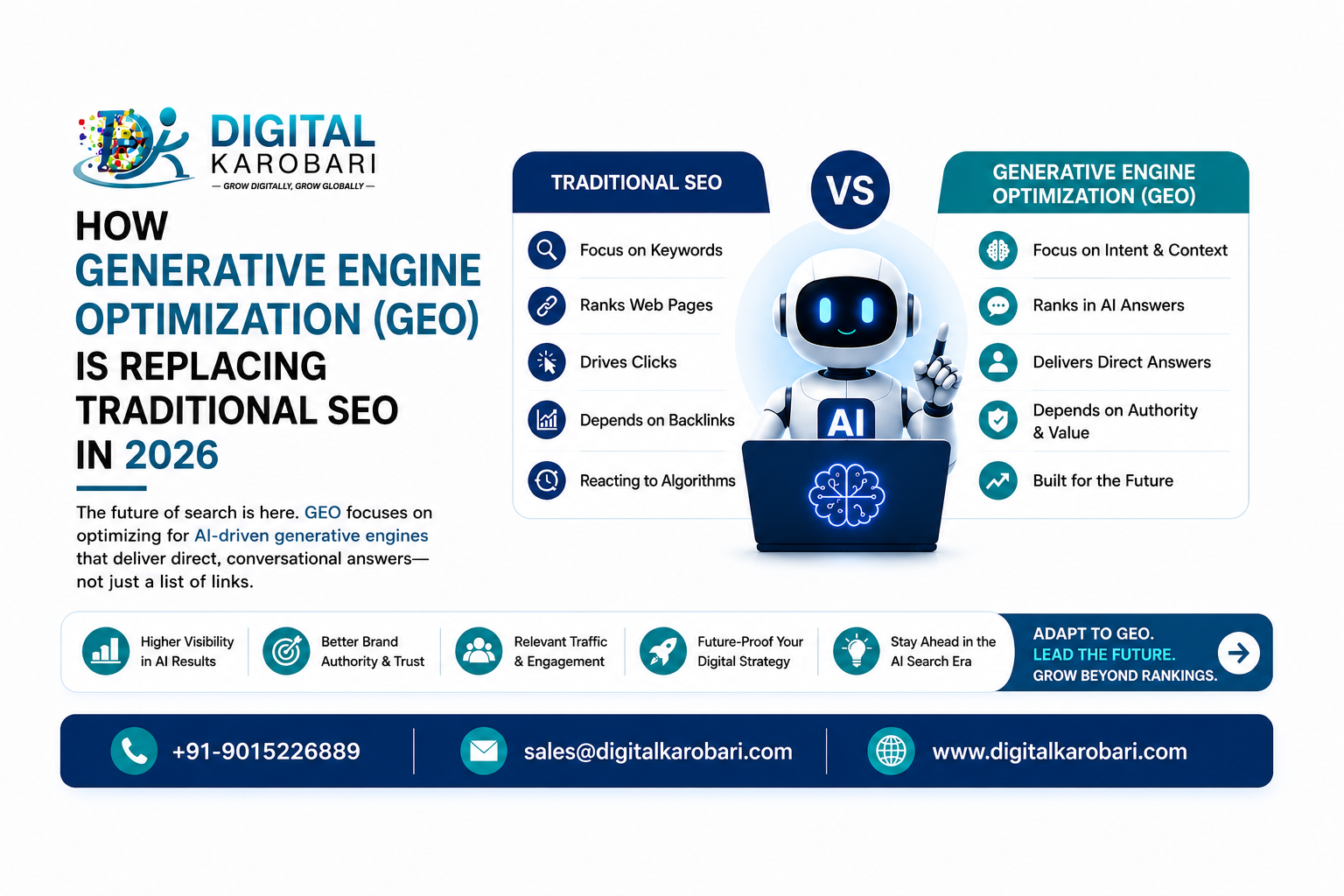
    FactorTraditional SEOAnswer Engine Optimization
    GoalRank on GoogleBecome the answer source for AI
    User IntentKeywordsQuestions and conversational queries
    Content FormatLong-form blogs, pillar pagesClear, structured, answer-ready information
    Ranking SignalsBacklinks, keywords, on-page SEOAuthority, clarity, structured data, facts
    OutcomeOrganic clicksAI citations and visibility in generative answers

    This shift doesn’t replace SEO. It builds on it. But brands that stick to the old playbook risk falling behind when AI takes over as the primary interpreter of online information.


    The Core Elements of Answer Engine Optimization

    1. Clear, concise, answer-focused content

    Answer engines prefer content that gets straight to the point. Pages with direct responses, definitions, short summaries, and question-led sections perform better.

    2. Structured data

    Schema markup helps AI understand the meaning of your content. FAQ schema, How-To schema, Product schema and Organization schema are essential for modern AEO.

    3. E-E-A-T as a foundation

    AI models rely heavily on Experience, Expertise, Authoritativeness and Trustworthiness. Brands with strong E-E-A-T signals get cited more often.

    4. Topic authority

    Covering a topic in-depth across multiple interconnected pages helps search engines and AI identify you as a subject expert.

    5. Consistent factual accuracy

    AI systems pick reliable data. Any inconsistency reduces the chances of being cited in generative answers.


    What Answer Engines Look for When Selecting Sources

    Answer engines scan content for qualities that help them confidently synthesize responses. Some of the core criteria include:

    • Accurate definitions
    • Up-to-date facts
    • Verified statistics
    • Clear headings and subheadings
    • Well-structured FAQs
    • Context-rich explanations
    • Neutral and informative tone
    • Page-level clarity and brevity for specific answers
    • Deep-level expertise for complex topics

    Most businesses fail because they write for humans only. AEO requires writing for humans and for AI simultaneously.


    How Digital Karobari Helps You Optimize for Answer Engines

    Digital Karobari approaches AEO with a blend of technical expertise and strategic content development. Our process ensures your brand becomes a reliable source for AI-driven answer engines.

    Our AEO Framework

    1. Topic Intelligence

    We use AI tools to understand what questions users ask, what answers they expect, and how AI currently responds.

    2. Content Structuring

    Your content is reorganized so AI can easily detect key statements, definitions, and explanations.

    3. Precision Writing

    We craft paragraphs that are short, sharp, and packed with relevant meaning, so answer engines pick them up cleanly.

    4. Schema Implementation

    Structured data markup makes your content machine-readable and increases your chances of being featured in answer engines.

    5. Authority Building

    We help you earn topical authority through clusters, internal linking, expert insights, and credibility signals.

    6. Optimization for Conversational Search

    We integrate natural language questions, spoken phrases, and query patterns that match how users interact with AI tools.


    Practical AEO Strategies You Can Start Implementing Today

    Strong, direct definitions

    Any page that explains something should open with a crisp definition that AI models can detect instantly.

    FAQ sections

    Multiple question-based sections increase your chances of being pulled into answer boxes and AI summaries.

    Condensed summaries

    Short takeaways help AI extract core ideas without missing context.

    Product and service clarity

    Each offering should have a clear description, use cases, features, and benefits written in plain human language.

    Voice search optimization

    Focus on natural phrasing and conversational tone since answer engines often mirror spoken queries.


    The Future of Search Belongs to Answers, Not Listings

    The shift from SEO to AEO isn’t a question of if — it’s when. Businesses that adapt early will dominate visibility across generative AI platforms, voice assistants, and conversational search tools.

    AEO isn’t a shortcut. It’s a smarter way to organize and communicate information so both users and AI systems can absorb it instantly.

    At Digital Karobari, we help brands stay ahead of search trends, build authority, and position themselves as the go-to source in their category. If you’re ready to upgrade from traditional SEO to answer-led optimization, now is the right time to make that shift.

  • Instagram Ads, Best Guide to Promoting Your Products on Instagram

    Instagram Ads, Best Guide to Promoting Your Products on Instagram

    In the digital age, where visual content reigns supreme, Instagram has emerged as a powerhouse for businesses looking to amplify their brand presence. With over a billion active users, Instagram offers a unique opportunity to connect with a diverse and engaged audience. Instagram Ads provide a powerful platform for businesses to showcase their products and services, drive traffic, and boost sales. In this comprehensive guide, we’ll delve into everything you need to know about Instagram Ads, from promoting your products and boosting posts to targeting the right audience and analysing your ad performance. Whether you’re a seasoned marketer or a small business owner just starting, this guide will help you navigate the world of Instagram advertising with ease.

    What Are Instagram Ads?

    Instagram ads are posts that businesses pay to show to specific groups of people on Instagram. These ads show up in users’ feeds, Stories, and Explore pages just like regular posts from other Instagram accounts.

    Instagram ads can include images, videos, carousels (multiple images), or collections (product galleries). They look like normal posts, but always have a “Sponsored” label to show they are ads. These ads often have extra features like links, call-to-action (CTA) buttons, and product tags.

    Types of Instagram Ads

    Instagram offers several types of ads, including:

    1. Image ads
    2. Story ads
    3. Video ads
    4. Carousel ads (multiple images)
    5. Collection ads (product galleries)
    6. Explore ads
    7. Shopping ads
    8. Reels ads

    These various ad formats allow you to pick the best one for your business goals. Instagram ads now support six simplified campaign objectives, and the available call-to-action (CTA) options will vary depending on the ad type and objective you choose.

    How Much Do Instagram Ads Cost?

    The cost of Instagram ads depends on your total budget, campaign duration, and objectives. You can set a daily or lifetime budget, allowing you to control how much you spend. While there’s no specific best practice for spending, Meta recommends starting with at least 500 to 1000 per day.

    Average Costs

    1. Cost-Per-Click (CPC): In India, the average CPC for Instagram ads typically ranges from ₹5 to ₹20. This means you pay ₹5 to ₹20 for each click on your ad.
    2. Cost-Per-Impression (CPM): The average CPM (cost per 1,000 impressions) can range from ₹50 to ₹200, depending on the factors mentioned above.
    3. Daily Budget: A daily budget of ₹500 to ₹1,000 is common for small to medium-sized businesses. However, the budget can be adjusted based on campaign goals and performance.

    How Do Instagram Ads Work?

    Instagram ads use advanced targeting algorithms to show your ads to people who are most likely to be interested in them. Here’s a simple breakdown:

    1. Targeting: Instagram’s algorithms target users based on demographics, interests, and behaviour. This precise targeting ensures that your ads reach the right audience.
    2. Engagement: Because the ads are shown to a relevant audience, they tend to have higher engagement rates compared to other social media platforms.
    3. Direct Messaging: Users can click on the ad to send direct messages via WhatsApp. This integration allows businesses to have direct conversations with potential customers, answer questions, and provide purchase details.
    4. Brand Awareness and Sales: Instagram ads help small businesses reach a wider audience at a lower cost, increasing brand awareness and boosting sales.

    Benefits of Using Instagram Ads

    1. Wide Reach: Access to a vast audience base.
    2. High Engagement: Instagram’s visual nature leads to higher engagement rates.
    3. Advanced Targeting: Ability to target specific demographics, interests, and behaviours.
    4. Measurable Results: Track performance through detailed analytics.

    How to Promote Your Product on Instagram

    Promoting your product on Instagram involves creating compelling ads and strategically placing them to reach your target audience. Here are the steps to get started:

    1. Set Up an Instagram Business Account: If you haven’t already, switch your personal account to a business account to access Instagram’s advertising features.
    2. Link to Facebook Business Manager: Since Instagram Ads are managed through Facebook’s Ad Manager, link your Instagram account to your Facebook Business Manager.
    3. Define Your Goals: Clearly define what you want to achieve with your ads, such as brand awareness, website traffic, or sales conversions.
    4. Identify Your Target Audience: Use Instagram’s targeting options to specify the demographics, interests, and behaviours of your ideal customers.
    5. Create Engaging Content: Develop high-quality visuals and compelling copy that resonate with your audience. Use a mix of photos, videos, and carousels to keep your content fresh and engaging.
    6. Set Your Budget: Determine how much you are willing to spend on your ad campaign. Instagram allows you to set daily or lifetime budgets.
    7. Choose Ad Placements: Select where your ads will appear, such as in the feed, stories, explore page, or a combination of these.
    8. Launch Your Campaign: Review your ad settings and launch your campaign. Monitor its performance regularly and make adjustments as needed.

    Boosting Posts on Instagram

    Boosting a post on Instagram is a simple way to turn your existing content into an ad. Here’s how to do it:

    1. Select a Post to Boost: Choose a high-performing post that you want to promote.
    2. Tap the �Boost Post� Button: This option is available below your post.
    3. Set Your Goal: Choose what you want to achieve, such as more profile visits, website traffic, or direct messages.
    4. Define Your Audience: Use Instagram’s targeting options to specify who will see your boosted post.
    5. Set Your Budget and Duration: Decide how much you want to spend and for how long the post will be boosted.
    6. Review and Boost: Check all your settings and tap “Boost Post” to start your promotion.

    Reaching the Right Audience

    To maximize the effectiveness of your Instagram Ads, it’s crucial to reach the right audience. Instagram offers several targeting options:

    1. Demographics: Target users based on age, gender, location, and language.
    2. Interests: Reach people who have shown interest in topics related to your product.
    3. Behaviours: Target users based on their activities on Instagram and Facebook.
    4. Custom Audiences: Use data from your existing customers to create a targeted audience.
    5. Lookalike Audiences: Find new users who resemble your existing customers.

    What is a Pixel, and Why is it Important?

    A pixel, also known as a Meta Pixel, is a small piece of JavaScript code that provides detailed insights and tracks your customer’s journey across Instagram, Facebook, and your website. When installed, it helps you monitor user activity and gather important data to optimize your ads.

    Key Functions of a Pixel

    The Meta Pixel automatically tracks:

    1. URLs and Domains Visited: Which pages users visit.
    2. Devices Used: The types of devices users use.
    3. Predefined Conversions: Specific actions users take, like making a purchase.

    How to Create a Pixel

    Creating a pixel is simple. Here’s how you can do it:

    1. Open Facebook Business Suite or Ads Manager: Log in to your account.
    2. Access Event Manager: Click on the All Tools menu (hamburger icon) and select Event Manager.
    3. Create a New Pixel:
         a. Click on the Green Plus button or the Collect Your Data option and select Web.
         b. Choose the Facebook Pixel option and create your Pixel.
         c. Name your Pixel with a business-specific name, not a campaign-specific one.
         d. Enter your website URL to check setup options and click Continue.

    Integrating the Pixel

    After creating the Pixel, you need to integrate it into your ecommerce website. There are two methods:

    1. Manual Integration: Enter the pixel code into your website’s code manually.
    2. Partner Integration: Use platforms like Shopify, Wix, or WordPress for easier setup.

    Why Pixels Matter

    Pixels are crucial because they help you:

    a. Track user behaviour and conversions.
    b. Optimize your ad performance based on real data.
    c. Better understand your audience and tailor your marketing efforts accordingly.

    Using a pixel on your website allows you to make data-driven decisions, improving the effectiveness of your Instagram and Facebook ad campaigns.

    Tips for Effective Instagram Ads

    1. Use High-Quality Visuals: Invest in professional photography and design.
    2. Keep It Short and Sweet: Make your message clear and concise.
    3. Incorporate Strong Call-to-Actions (CTAs): Encourage users to take action.
    4. Leverage User-Generated Content: Showcase real customers using your products.
    5. Test and Optimize: Run A/B tests to determine what works best and refine your strategy

    Instagram Ads are a powerful tool for businesses to reach a larger audience, boost engagement, and drive sales. By understanding how to create and manage effective ads, targeting the right audience, and analysing performance, you can maximize the impact of your Instagram marketing efforts. Start experimenting with Instagram Ads today and watch your business grow!

    For further questions or personalized advice, feel free to reach out to Us. Happy advertising!